Recruit
Build the talent pipeline.
Strengthen sourcing, candidate identification, screening, readiness assessment, and recruiting processes.
Procedural Workforce Solutions
Recruit. Build. Train. Retain.
PWS helps hospitals and health systems strengthen the procedural workforce behind daily operations and future growth by connecting talent pipelines, internal workforce development, specialty training, readiness systems, and retention into one coordinated strategy.
The connected workforce system
The workforce problem is rarely one problem. Talent supply, development, readiness, and retention affect one another — and each can limit daily operations, workforce stability, or future procedural capacity when the system behind them is weak.
Can the organization consistently find or surface people who could succeed in the specialty?
Can qualified people move through a defined internal pathway instead of relying on informal exposure alone?
Can managers, educators, and preceptors see whether a person is progressing toward independent practice?
Can the department protect the workforce investment after people are hired and developed?
PWS Workforce Intelligence
Use three numbers you already know to see how internal development could fit alongside external recruiting.
Workforce capacity doesn’t begin in the procedure room. It begins with the people pipeline behind it.
The PWS Model
Build the talent pipeline.
Strengthen sourcing, candidate identification, screening, readiness assessment, and recruiting processes.Create workforce capacity.
Develop internal pathways, onboarding systems, preceptor capacity, competency infrastructure, and workforce plans.Prepare people for the specialty.
Use structured PWS Academy education and specialty-development pathways where training is part of the need.Protect the workforce investment.
Strengthen career pathways, procedural-department culture, leadership, and long-term workforce stability.Workforce Solutions
Workforce strategy, recruiting support, internal development, onboarding, preceptor systems, competency, workforce planning, retention, culture, leadership, and implementation support.
Explore Workforce Solutions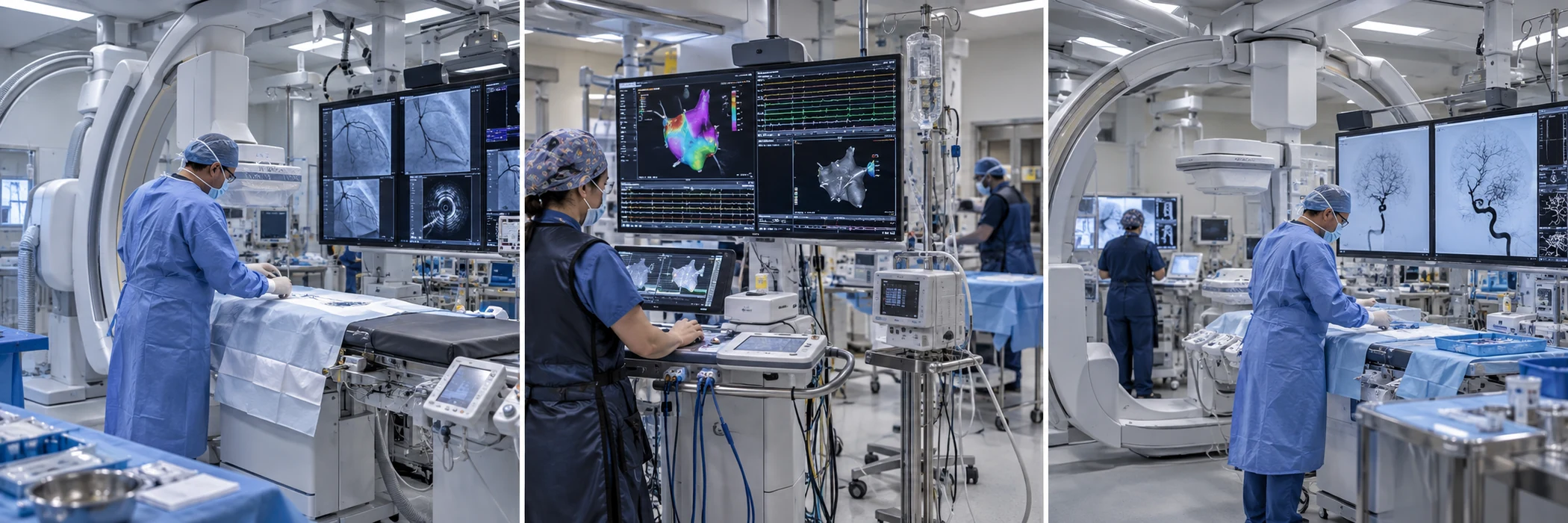
PWS Academies
Structured specialty workforce-development pathways for Cath Lab, EP Lab, and Neurointerventional care.
Explore PWS AcademiesWhy PWS
PWS is built around the operating reality that recruiting, internal development, training, readiness, and retention affect one another.
PWS is built specifically around the workforce requirements of complex procedural environments.
Recruiting, development, specialty training, readiness, and retention are treated as one workforce system.
Strengthen external talent pipelines while building credible internal pathways for qualified employees.
Move from recommendation to operating structure and define the workforce indicators measured with the hospital.
From strategy to workforce infrastructure
Depending on the scope of the engagement, PWS can help a hospital put the workforce structure behind the strategy — not only identify the problem.
Workforce priority plan
Talent-pipeline structure
Internal workforce pathway
Onboarding framework
Preceptor framework
Competency and progression system
Implementation roadmap
Capacity and growth plan
Retention / culture action plan
Measurement plan
The final deliverables depend on the workforce objective and contracted scope.
Create clearer internal pathways for qualified nurses, technologists, paramedics, and other hospital-selected employees to move toward procedural roles.
Strengthen onboarding, preceptor support, competency systems, and manager visibility so readiness does not depend entirely on individual training styles.
Align workforce supply, development, and readiness with new rooms, expanded services, additional volume, or multi-site growth.
The capacity connection
New rooms, new procedures, and higher volume only become operational capacity when the workforce can support them.
PWS Academies
Cath Lab workforce development and RCIS-readiness education where applicable.
Explore Academy ↗Electrophysiology workforce development and RCES-readiness education where applicable.
Explore Academy ↗Neurointerventional workforce development for procedural teams.
Explore Academy ↗Staffing tells you how many people you have. Workforce resilience tells you how strong the system is.
PWS Workforce Intelligence
Answer eight operational questions. No financial data, staffing reports, or lookup is required.
Choose the entry point that fits the need
Several factors overlap or priorities need to be sequenced.
Schedule a Workforce AssessmentThe need is already clear and calls for a focused engagement.
Explore Workforce SolutionsThe immediate need is structured specialty education.
Explore PWS AcademiesThe need spans multiple functions, facilities, or specialties.
Discuss a PWS Workforce PartnershipMeasure what matters
PWS defines agreed workforce indicators with the hospital and measures them where reliable client data exists. The measures used depend on the engagement and the workforce objective.
PWS tracks agreed indicators to evaluate the engagement and build defensible evidence. Measurement does not constitute a guarantee of a specific hiring, retention, credentialing, traveler-reduction, operational, or financial outcome.
Scale without losing the site
A shared workforce model can create consistency without requiring every department or facility to begin with the same problem, staffing mix, or implementation sequence.
Start with the need
Start with the need you already know — or bring PWS the problem when the answer is not yet clear.
Discuss Your Workforce Needs